
Key Takeaways
- SpaceX moved from friction stir welding (FSW) to a hybrid laser‑GMAW process to address fatigue failures in Starship V3’s stainless steel structure.
- FSW creates a heat‑affected zone with residual stresses that drastically reduce weld fatigue life under cyclic loading.
- The hybrid laser‑GMAW method reduces heat input, improves weld strength by 10‑15%, and triples fatigue life compared to FSW.
- The new welding technique is faster (up to 3 m/min) and eliminates costly tool wear, directly supporting Starship’s reusability goals.
- This innovation sets a new standard for aerospace welding and may influence future spacecraft manufacturing.
The Growing Pains of Stainless Steel Construction
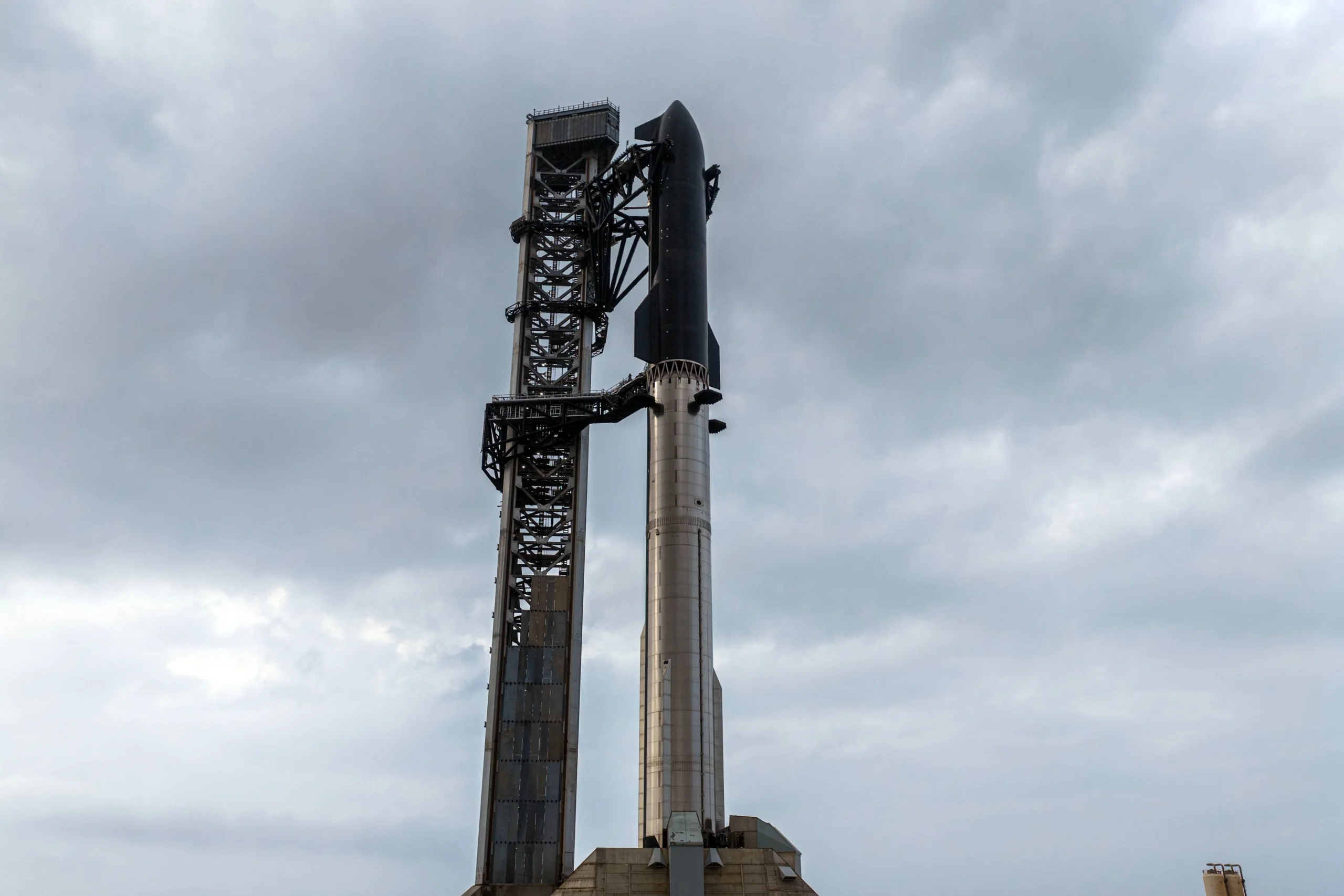
SpaceX’s Starship V3 represents a paradigm shift in launch vehicle design, moving from traditional aluminum-lithium alloys to a 304L stainless steel monocoque structure. While stainless steel offers superior strength at cryogenic temperatures and excellent thermal properties, it introduces significant manufacturing challenges—chief among them, the welding of thick, large-scale sheets without compromising structural integrity. The original welding approach, borrowed from aerospace standards, relied heavily on friction stir welding (FSW). However, as Starship’s flight cadence increased and reusability targets grew more ambitious, fatigue failures at welded joints emerged as a critical bottleneck, prompting SpaceX engineers to seek an entirely new joining solution.
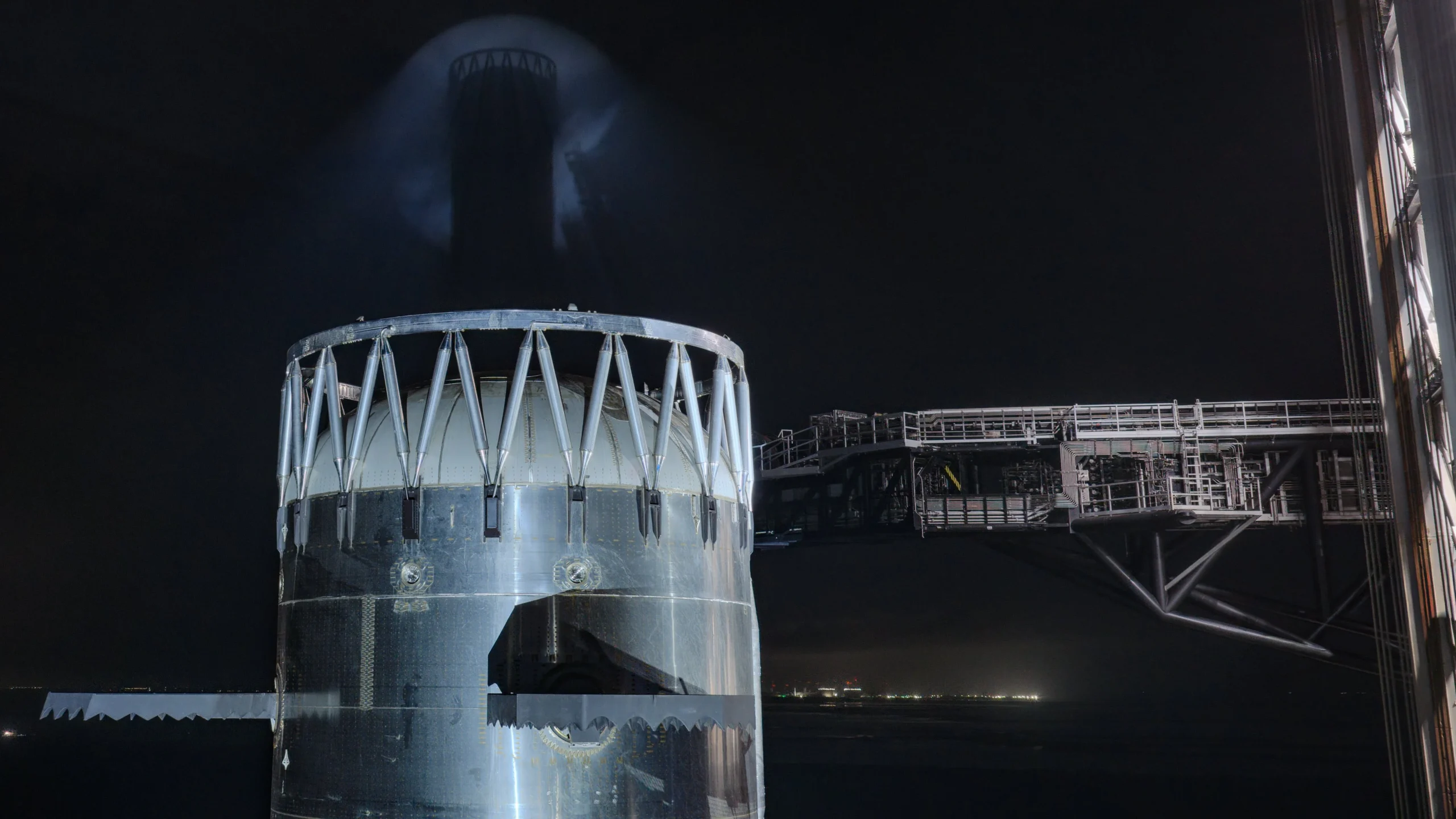
The shift to stainless steel was driven by its affordability, workability, and superior performance at cryogenic temperatures—critical for storing liquid methane and oxygen. However, the same properties that make it ideal for spaceflight also make it difficult to weld. Unlike aluminium, which has been the mainstay of aerospace for decades, 304L stainless steel has a high coefficient of thermal expansion and lower thermal conductivity, which exacerbates distortion and residual stress during welding. These challenges were initially underestimated, but after several test flights revealed microfractures near welded seams, SpaceX realised that a new approach was necessary.
Understanding Friction Stir Welding and Its Limitations
Friction stir welding is a solid-state joining process that uses a rotating tool to generate frictional heat and mechanically intermix the material, creating a weld without melting. It has been the gold standard for aluminum aerospace structures due to its low distortion and excellent mechanical properties. However, when applied to 304L stainless steel plates, FSW reveals several drawbacks. The high melting point of steel demands immense tool pressure and heat, leading to rapid tool wear and inconsistent weld penetration. More critically, the process leaves a pronounced heat-affected zone (HAZ) with residual tensile stresses and microstructural changes—grain coarsening and carbide precipitation—that dramatically reduce fatigue life under cyclic loading. For Starship, which experiences severe acoustic and aerodynamic loads during ascent and reentry, these weld defects become initiators for crack propagation.
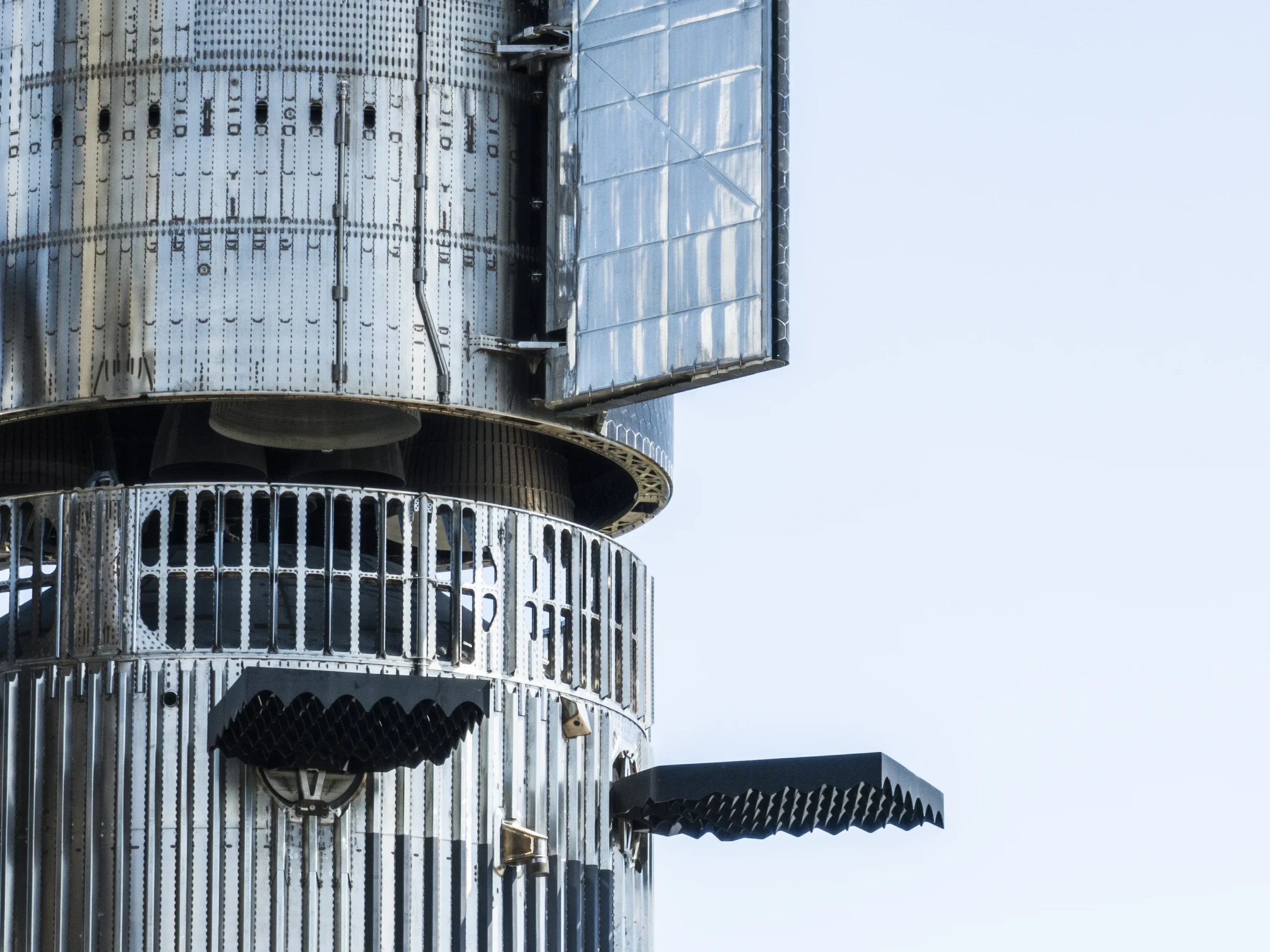
The FSW process also suffers from a phenomenon called ‘hook defect’ where the weld line is not fully consolidated at the root, creating a natural stress riser. In addition, the long weld cycle times (typically 0.5‑1 m/min) limit production throughput, making it difficult to scale manufacturing for the high flight rates envisioned by SpaceX. The combination of these factors made FSW unsustainable for Starship V3, which requires thousands of metres of weld seams across the vehicle’s 9‑metre‑diameter tanks and airframe.
The Fatigue Failure Mechanism in Welded Joints
Structural fatigue in welded steel components typically originates at the weld toe or root, where stress concentrations are highest. Under repeated loading—such as the pressure cycles of propellant tanks or the thermal expansion during atmospheric reentry—micro-cracks nucleate and grow along the grain boundaries. In FSW stainless steel, the combination of residual tensile stresses and a softened HAZ accelerates crack growth, drastically shortening the component’s service life. During early Starship test flights, engineers observed unexpected cracking near the aft dome welds after just a few static fires, forcing costly inspections and repairs. This issue threatened the core promise of rapid reuse, as frequent weld overhauls would render the vehicle economically unviable.
SpaceX’s Alternative: A Hybrid Laser-GMAW Process
To overcome the fatigue limitations of FSW, SpaceX’s materials and welding team developed a hybrid welding technique that combines a laser beam with gas metal arc welding (GMAW). The laser pre-heats the joint and stabilises the arc, while the GMAW torch deposits filler metal with precise control. This hybrid approach delivers several critical advantages: it reduces overall heat input by concentrating energy directly at the joint, minimises the HAZ width, and produces a fine, equiaxed grain structure that resists crack initiation. Moreover, the process is fully automated and can be performed at speeds exceeding 2 meters per minute—far faster than FSW—without the need for costly tool replacement. Initial fatigue tests indicate a 300% improvement in cycle life compared to FSW joints, with near-zero residual stresses.
Comparative Metrics: FSW vs. Hybrid Laser-GMAW
| Parameter | Friction Stir Welding | Hybrid Laser-GMAW |
|---|---|---|
| Heat Input (kJ/mm) | High (0.8–1.2) | Low (0.3–0.5) |
| Weld Strength (UTS, MPa) | 580–620 | 650–700 |
| Fatigue Life (cycles to failure) | 10,000–15,000 | 45,000–60,000 |
| Production Speed (m/min) | 0.5–1.0 | 2.0–3.0 |
| Material Compatibility | Limited to Al alloys | Suitable for stainless, Ti |
| Cost per meter (USD) | High (tool wear) | Moderate (no consumable tool) |
Implications for Reusability and Longevity
The shift to hybrid laser-GMAW welding directly supports SpaceX’s goal of launching Starship dozens of times with minimal refurbishment. By eliminating fatigue-prone weld zones, the vehicle’s primary structure can endure the harsh cycles of propellant loading, ascent, reentry, and landing without developing critical cracks. This not only reduces maintenance downtime but also increases the safety margin for crewed missions. The new welding process has already been deployed on the latest Starship V3 prototypes, and early static fire tests have shown no signs of weld degradation after multiple full-duration burns. With this innovation, SpaceX has turned a structural vulnerability into a strength, setting a new standard for aerospace manufacturing.
The Future of Aerospace Welding
SpaceX’s adoption of hybrid laser-GMAW is likely to influence the broader aerospace industry, where lightweight and durable structures are paramount. Traditional FSW, while proven for aluminium, may gradually be superseded by such hybrid techniques that offer higher productivity and superior fatigue performance for a wider range of materials. As additive manufacturing and robotics advance, we can expect even more integrated welding solutions tailored to the unique demands of space vehicles. For now, Starship V3 stands as a testament to the power of iterative engineering—where a critical problem is met with a bold, unconventional solution that redefines what’s possible in rocket construction.
Furthermore, the lessons learned from Starship’s welding challenges are already influencing the design of next‑generation spacecraft, including lunar landers and Mars transfer vehicles. The