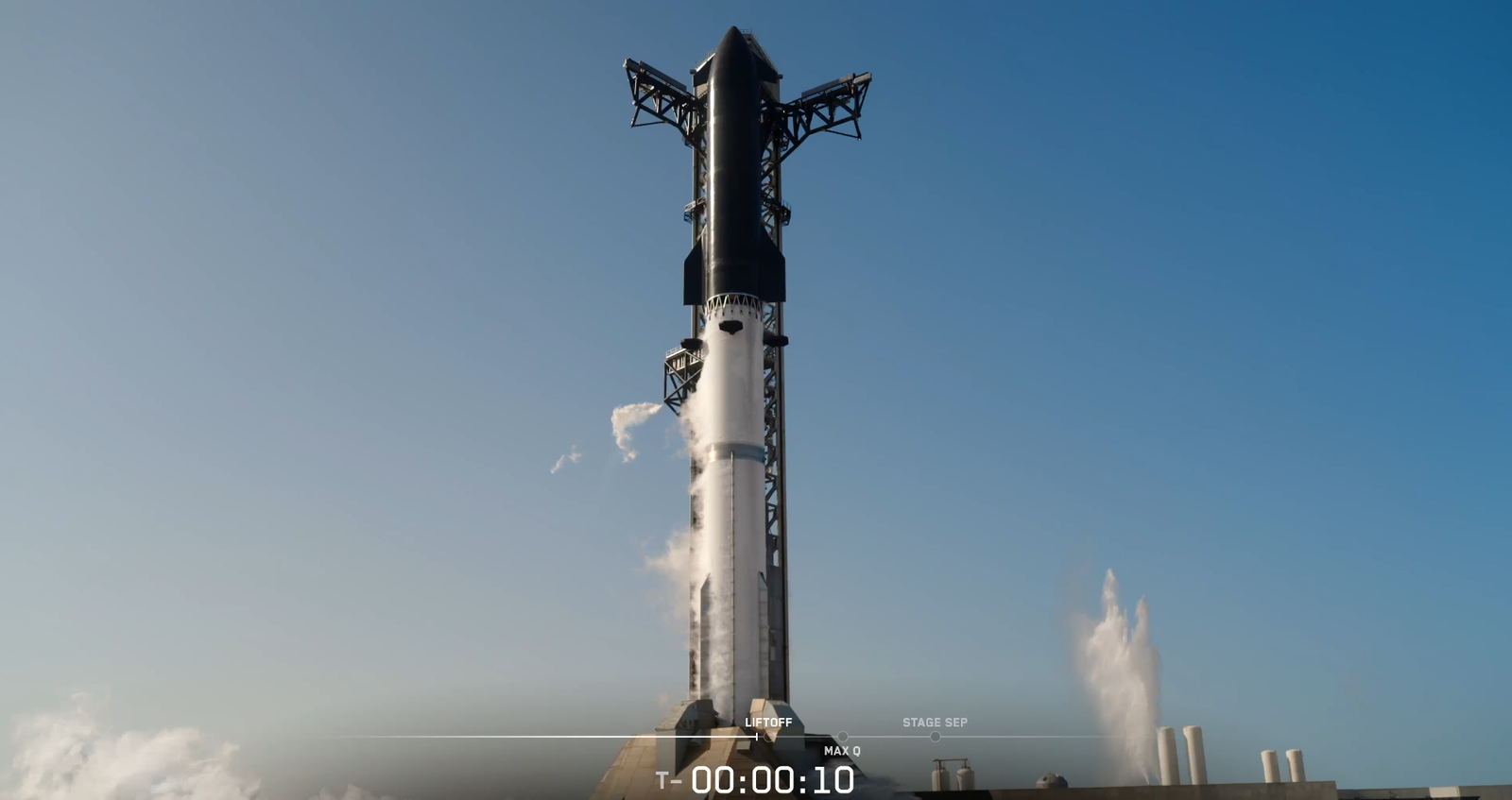

Starbase, Texas — July 25, 2026
Just hours after Starship’s highly successful 13th flight test concluded with an intact soft splashdown in the Indian Ocean, SpaceX CEO Elon Musk announced that the company is preparing to attempt the first-ever catch of the Starship upper stage itself on the next flight—Flight 14—provided post-flight data review reveals no major issues.
Musk posted on X early Saturday: “Unless we discover problems after mission data review, SpaceX will attempt to catch the ship with the tower on next flight.” The statement has electrified the space community, signaling that Flight 14 could deliver two monumental firsts at once: Starship’s inaugural orbital launch and the dramatic recovery of the upper stage using the same “Mechazilla” mechanical arms that have repeatedly snared Super Heavy boosters.
Flight 13: A Landmark Success
Flight 13 lifted off Friday, July 24, at 5:51 p.m. Central Time from Orbital Launch Pad 2 at Starbase. The mission, the second flight of the upgraded Version 3 (Block 3) hardware, used Super Heavy Booster 20 and Ship 40. It marked the first time Starship carried and deployed operational next-generation Starlink V3 satellites—20 of them—rather than mass simulators.
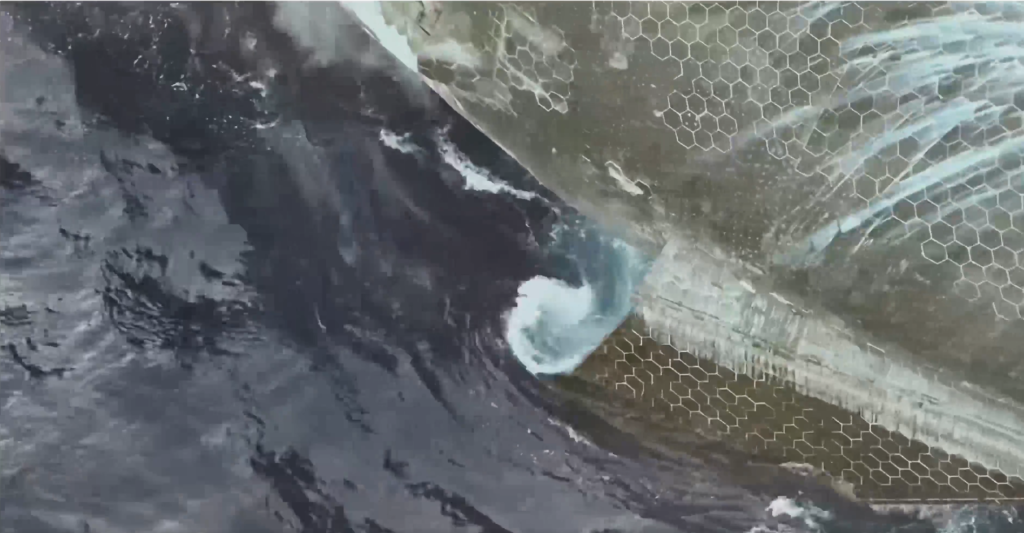
The upper stage completed a full-duration ascent burn, successfully deployed all 20 satellites on a suborbital trajectory, performed a longer-than-previous single-Raptor in-space relight, and executed a precise reentry and landing burn. Ship 40 then settled gently into the Indian Ocean, remaining intact and continuing to transmit telemetry and imagery—a first for the program. SpaceX engineers described it as the softest splashdown yet and a “dream scenario” for gathering heat-shield data.
The booster completed its boostback burn but experienced incomplete engine relights during the landing burn, resulting in a harder-than-planned splashdown in the Gulf of Mexico. Overall, the flight was widely hailed as Starship’s most successful to date and the strongest performance yet for the V3 architecture.
The Path to Catching the Ship
Musk has long emphasized caution before attempting a ship catch. In February 2026 he stated that SpaceX would only try catching the upper stage with the tower “after two perfect soft landings in the ocean,” citing the need to keep the risk of breakup over land extremely low.
Flight 13’s intact soft landing appears to have satisfied that threshold (building on earlier successful soft splashdowns). Catching the ship requires an orbital trajectory so the vehicle can perform the necessary deorbit burn and return precisely to the launch site after roughly one orbit—approximately 90 minutes after liftoff. This makes Flight 14 Starship’s first planned orbital mission.
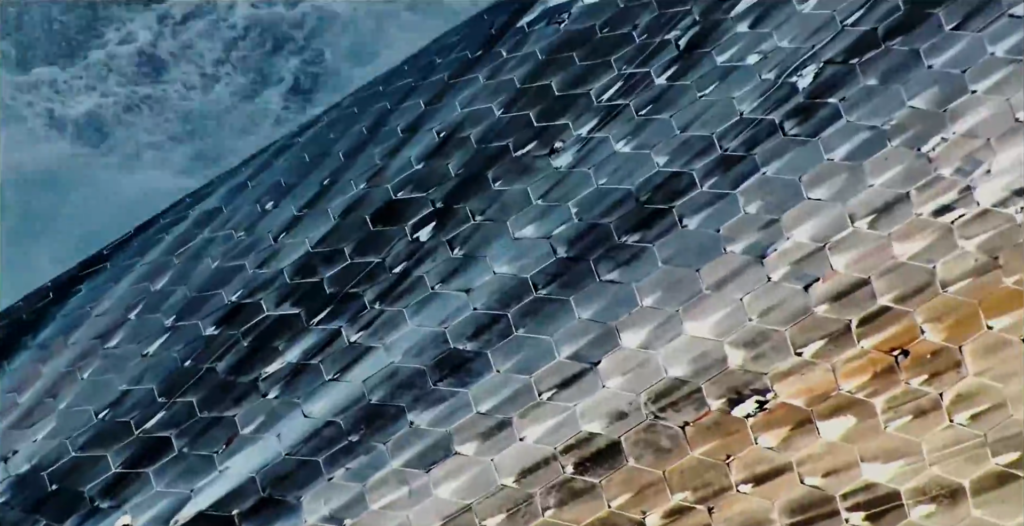
Hardware for the flight is already advanced: Ship 41 and Super Heavy Booster 21 (both Block 3 / V3) are expected to fly. The catch attempt would mirror the booster recoveries that began with the historic first catch on Flight 5 in October 2024 and have been repeated successfully on subsequent missions. The “chopsticks” arms on the launch tower would grab the descending Starship after its landing burn, enabling rapid reuse.
Why It Matters
A successful ship catch would complete the full rapid-reusability loop for the entire Starship system—Super Heavy booster and Starship upper stage. This is the core engineering goal enabling the high flight rates, low costs, and massive payload capacity needed for NASA’s Artemis lunar landings, Starlink constellation expansion, and eventual crewed missions to Mars.
SpaceX has already demonstrated booster catches multiple times. Extending that capability to the upper stage removes the last major barrier to treating Starship like a fully reusable aircraft rather than an expendable rocket. Engineers note that an orbital return also provides far more time for vehicle health checks before committing to a catch, increasing safety margins.
Looking Ahead
No official launch date for Flight 14 has been set, though industry observers expect it as early as August 2026 if data review is clean and vehicle preparation continues at the current rapid pace. Wikipedia currently lists the flight for Q3 2026 from Starbase’s OLP-2.
SpaceX continues to iterate aggressively. Version 3 vehicles are already flying, with further improvements in engines, heat shields, and structures planned. Parallel work is underway on Florida infrastructure at Kennedy Space Center’s LC-39A for future operational launches.
For now, all eyes are on the Flight 13 data review. If the results are as clean as the splashdown imagery suggests, the world may soon witness one of the most ambitious feats in the history of rocketry: a 50-meter stainless-steel spacecraft returning from orbit and being plucked from the sky by giant mechanical arms at the exact pad from which it launched.
As Musk has repeatedly said of Starship testing: success is uncertain, but entertainment is guaranteed. Flight 14 looks poised to deliver both in historic measure.
FAQ: SpaceX Starship Flight 14 – First Ship Catch Attempt
Q: What is the big announcement about Starship Flight 14?
A: On July 25, 2026, Elon Musk confirmed that SpaceX plans to attempt catching the Starship upper stage (the “Ship”) with the launch tower’s mechanical arms on Flight 14—provided the post-flight data review from Flight 13 shows no major problems. This would be the first time the upper stage is caught, following successful Super Heavy booster catches on earlier flights.
Q: Why is catching the Ship such a big deal?
A: Catching both the Super Heavy booster and the Starship upper stage would complete full rapid reusability of the entire Starship system. This is a critical step toward high flight rates, dramatically lower costs, and the ability to support NASA’s Artemis lunar missions, large Starlink deployments, and eventual crewed flights to Mars.
Q: Has SpaceX already caught Starship boosters?
A: Yes. SpaceX first successfully caught a Super Heavy booster with the “Mechazilla” tower arms (also called “chopsticks”) on Flight 5 in October 2024. The company has repeated the booster catch on multiple subsequent flights.
Q: Why hasn’t SpaceX tried catching the Ship before?
A: Musk previously stated that SpaceX would only attempt a Ship catch after at least two perfect soft landings in the ocean. This minimizes the risk of the vehicle breaking up over land. Flight 13 (July 24, 2026) achieved an intact soft splashdown in the Indian Ocean while continuing to transmit data—meeting a key milestone for proceeding to a catch attempt.
Q: Will Flight 14 be Starship’s first orbital flight?
A: Yes. Catching the Ship requires an orbital trajectory so the vehicle can complete roughly one orbit, perform a deorbit burn, and return precisely to the launch site at Starbase. Previous flights have been suborbital.
Q: What happened on Flight 13?
A: Flight 13 (Ship 40 + Booster 20) successfully deployed 20 operational next-generation Starlink V3 satellites, performed an in-space Raptor engine relight, and achieved the softest intact splashdown yet of the upper stage in the Indian Ocean. The booster had a harder-than-planned splashdown in the Gulf of Mexico due to incomplete engine relights during landing.
Q: What vehicles will fly on Flight 14?
A: Current expectations point to Ship 41 and Super Heavy Booster 21 (both Version 3 / Block 3 hardware).
Q: When is Flight 14 expected to launch?
A: No official date has been announced. Industry observers anticipate it could occur as early as August 2026 if the Flight 13 data review is clean and vehicle preparations stay on track. It is currently listed for Q3 2026.
Q: What is “Mechazilla”?
A: Mechazilla is the nickname for SpaceX’s launch tower at Starbase, which features large mechanical arms (the “chopsticks”) designed to catch returning boosters and, soon, Ships. The system allows the vehicles to be caught and quickly prepared for reuse without landing legs or ocean recovery.
Q: What are the main risks of a Ship catch?
A: The primary concern is ensuring the vehicle remains fully intact and controllable during reentry and landing so it can be precisely guided into the arms. A failure could result in debris near the launch site, which is why SpaceX has been extremely cautious and required multiple successful soft ocean landings first.
Q: How does this fit into SpaceX’s longer-term goals?
A: Full reusability of both stages is essential for the high launch cadence and low cost needed to make life multi-planetary. Success on Flight 14 would be a major leap toward routine Starship operations, including eventual crewed missions.
Q: Where can I watch Flight 14?
A: SpaceX typically provides a live webcast on its website (spacex.com) and X account. Details will be posted closer to the launch date.